

How to Grow Spiritually Through Daily Practices

How to Grow Spiritually Through Daily Practices

Growing spiritually is less about grand gestures and more about consistent daily rhythms that align our hearts with God. At The Lords Baptist Church, we believe spiritual growth happens when faith is lived out in everyday moments. This article offers a practical, Bible-centered guide to daily practices that can become reliable markers of growth for you and your family. You will find simple steps, realistic timelines, and a friendly pathway to integrate faith into workdays, family life, and personal quiet time.

Why Daily Practices Matter

Daily practices shape who we are more than single spiritual highs. When you intentionally engage in faith activities every day, three things begin to happen:

  • Your heart is renewed in small, repeatable ways that compound over weeks and months.
  • Your mind is trained to think with a Christian worldview, even amid busyness and stress.
  • Your relationships with God and others deepen through consistent encounters with Scripture, prayer, and service.

If you have ever felt stuck or disappointed by sporadic spiritual experiences, a daily rhythm can reorient your day toward God. The goal is not legalism but a steady invitation to encounter Jesus in ordinary moments.

Build a Simple Daily Rhythm

A practical rhythm keeps faith alive without becoming overwhelming. Start with a simple pattern that touches the core areas of spiritual growth. Over time you can adjust the duration and depth, but begin with manageable blocks.

  • Morning start: a short time of prayer and Scripture to set the tone for the day.
  • Midday check in: a quick moment to invite God into your work, decisions, or conversations.
  • Evening reflection: gratitude, a brief Bible passage, and a prayer of surrender.
  • Weekly Sabbath touchpoint: a dedicated time to rest, worship, and be with family or friends.

Try this four part rhythm for a month and notice what happens in your heart and daily choices.

Create a practical micro-habits list

  • 5 minute morning devotion: a verse, a short reflection, and prayer.
  • 2 minute gratitude note: jot one or two things God did today.
  • 5 minute worship moment: a song or two played in the background while you work.
  • 1 verse memory: pick a single verse to meditate on during the day.
  • 5 minute Sabbath reset: a short digital break to rest and pray.

Core Daily Practices

In this section we outline core practices that form a sturdy Christian daily life. Each section offers practical steps, suggested tools, and easy-to-use formats you can adapt to your schedule.

Bible Reading and Reflection

Engaging Scripture daily feeds faith, aligns thinking with truth, and shapes action.

  • Choose a simple plan: a one-chapter or two-verse-per-day approach works well for busy seasons.
  • Make it personal: write one verse that stood out and a short question about how it applies to your life.
  • Memorize small portions: start with a verse a week and review it daily.
  • Journal briefly: note insights, prayers prompted by the passage, and how you will live it out.

Tips for success
– Use a reliable plan that fits your pace.
– Read slowly and observe what it reveals about God, yourself, and others.
– Pair Bible reading with a short reflection or prayer.

Prayer

Prayer is conversation with God and a means to hear from Him. A daily routine helps you stay connected.

  • Structure your prayer time: adoration, confession, thanksgiving, and supplication (requests).
  • Use simple prompts: “God, today I thank you for …” or “Lord, guide me in…”
  • Include listening: pause after a request and listen for impressions or a sense of peace.
  • Pray with others: set a weekly time for prayer with a friend or small group.

Quick starter prompts
– For today, what Word of God can shape my decision?
– Who can I encourage through prayer this week?
– What He is teaching me through Scripture today?

Worship and Music

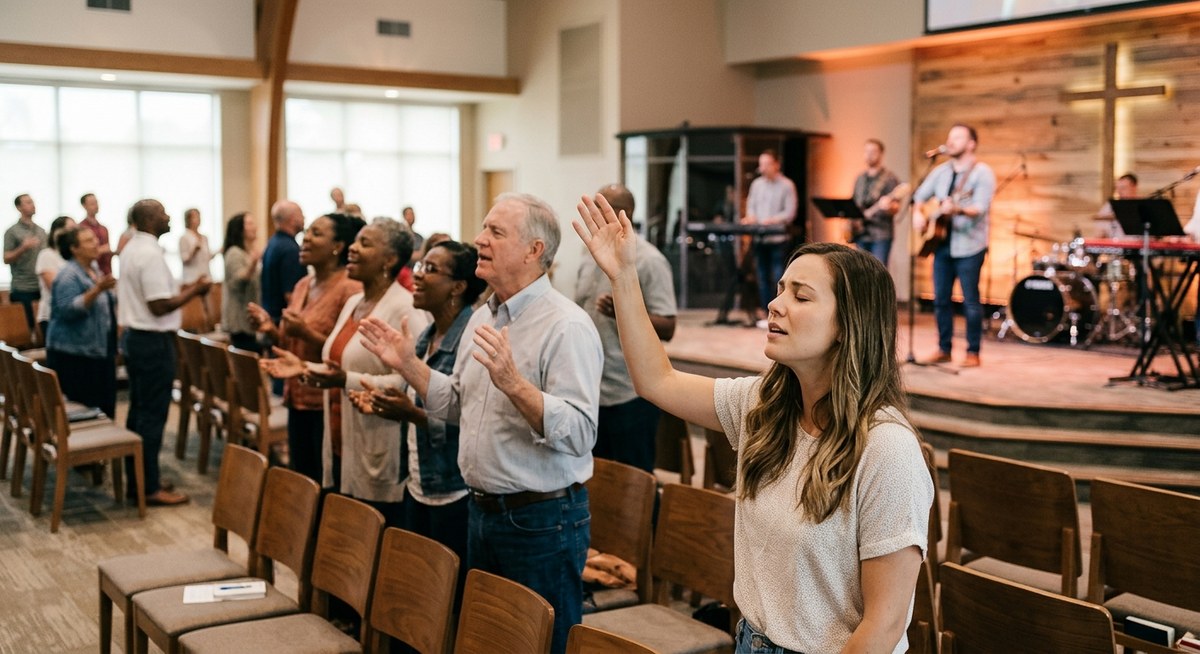
Worship is more than songs on Sunday; it is a posture of surrender throughout the day.

  • Create a worship moment: a few minutes of listening to a worship playlist as you start work.
  • Sing as you go: let a chorus or worship lyric echo in your heart during tasks.
  • Journal through worship: note how a hymn or chorus expresses your longing or gratitude.
  • Use music intentionally: select songs that reflect the season you are in and your current prayer needs.

Benefits of regular worship music include reminder of God’s faithfulness, an outlet for honest emotion, and a sense of belonging to the larger body of Christ.

Scripture Memorization

Memory helps God’s truth stay close when you need it most.

  • Start with short verses: one to two per month is a realistic target.
  • Use spaced repetition: review the verse several times a day through the first week, then weekly.
  • Write it down: copy the verse into a notebook or verse card you carry.
  • Weave it into daily moments: recite at meals, in transit, or during quiet time.

Why memorize scripture
– Truth anchors your thinking in trials and temptations.
– It shapes responses to difficult people and situations.
– It deepens your sense of God’s promises for you.

Fellowship and Accountability

Growing spiritually is not a solo project. Healthy accountability and encouragement from others helps you persevere.

  • Find a prayer partner or a small group that shares a similar rhythm.
  • Schedule regular check ins to discuss spiritual goals, discoveries, and challenges.
  • Practice hospitality by inviting others into your daily routines when possible.
  • Participate in church life through volunteering or service teams to deepen connection.

Ideas for accountability
– A three to four week challenge with weekly goals.
– A shared journal or notes to track progress and prayer requests.
– A monthly meet up focusing on Scripture and practical steps.

Generosity and Service

Generosity expands faith beyond self and demonstrates love to neighbors.

  • Small daily acts: give an encouraging word, help a coworker, or serve at home without being asked.
  • Practical generosity: set aside a small amount weekly for someone in need or a church outreach.
  • Service as practice: participate in a church ministry or community project on a monthly basis.

Remember that generosity is not only about money; it is about time, attention, and kindness.

Silence and Solitude

In the busyness of life, silence makes space for God to speak.

  • Start with 5 minutes daily of quiet, free from screens and noise.
  • Use a simple breathing exercise or a short centering plan to calm your mind.
  • Bring a question to God in silence and wait for His response.
  • Consider a silent walk in nature as a spiritual reset.

Benefits of regular silence
– Deeper awareness of God’s presence.
– Better discernment when facing decisions.
– A slower, more thoughtful response to life’s pressures.

Fasting (Optional)

Fasting is a spiritual discipline that helps redirect appetite toward dependence on God.

  • Start small: consider skipping a meal or choosing a day for a focused fast.
  • Pair with prayer: use the time to seek God about specific concerns.
  • Do not neglect health: if fasting is not advisable, you can practice a different form of self denial or discipline.

Approach to fasting
– Purpose first: define what you are seeking from God.
– Be flexible: choose a pace that fits your health and schedule.
– End well: break the fast with gratitude and a concise reflection on what you learned.

Sabbath and Rest

Rest is not laziness; it is a sacred rhythm ordained by God.

  • Set aside one day a week for rest and worship without overloading schedules.
  • Combine family time, worship, and light service to others in a relaxed way.
  • Disconnect from work and digital noise for a portion of the day.

Benefits of Sabbath
– Restores energy and focus.
– Deepens trust that God sustains you.
– Creates space for spiritual refreshment and joy.

How to Track Your Growth

Tracking helps you see progress and stay motivated. Try one of these methods or combine them.

  1. Journal method
  2. Record what you did each day, what you learned from Scripture, and how you saw God at work.
  3. Note any struggles and how you addressed them.

  4. Planner or checklist

  5. Use a simple daily checklist that includes Bible reading, prayer, worship, and a Sabbath reset.
  6. Mark days you felt close to God and days you learned something new.

  7. Accountability partner method

  8. Share your goals with a trusted friend and set a weekly refresh.
  9. Review together what God did in your lives and how to adjust.

Sample 4 Week Plan

Use this plan to gradually build a robust daily rhythm without feeling overwhelmed.

  • Week 1: Core Bible Reading and Prayer
  • Read a short daily passage, and write a brief reflection.
  • Pray using the fourfold approach: adore, confess, thank, ask.
  • Add a 2 minute worship moment and a 2 minute verse memory.

  • Week 2: Worship, Memorization, and Fellowship

  • Maintain Bible and prayer time.
  • Start verse memorization with one verse.
  • Join or form a small group; begin with weekly 30 minute meetings.

  • Week 3: Generosity and Silence

  • Continue core practices.
  • Plan a small act of service for someone else during the week.
  • Introduce 5 minutes of daily silence and listening prayer.

  • Week 4: Sabbath and Reflection

  • Deepen Sabbath rest and journaling.
  • Review the four weeks and adjust for next month.
  • Add a fasting option if appropriate and healthy.

Customize this plan to fit your schedule and church community. The goal is consistency, not perfection.

Common Pitfalls and How to Overcome Them

As you grow, you may encounter obstacles. Here are common challenges and practical remedies.

  • Legalism versus freedom
  • Remind yourself that daily practices are a gift to receive from God, not a checklist to prove worth.
  • Focus on relationship with Jesus, not performance.

  • Burnout

  • Keep sessions short and meaningful.
  • Give yourself permission to rest and reset.

  • Comparison

  • Your path is unique. Celebrate growth in small, personal ways rather than comparing with others.

  • All or nothing mentality

  • Start with one habit and expand slowly.
  • If you miss a day, begin again the next day without guilt.

  • Isolation

  • Invite a friend to partner with you.
  • Attend a small group for encouragement and accountability.

Resources from The Lords Baptist Church

This article complements teachings available at the Lords Baptist Church. Consider exploring the following resources to deepen daily practice and spiritual growth:

  • Worship music playlists and sermons that emphasize daily faith
  • Doctrinal summaries that explain key beliefs in accessible terms
  • Articles on spiritual growth and practical Christian living
  • Small group guides to support fellowship and accountability

Additionally, consider participating in church events and devotional series designed to reinforce the rhythms described here. By engaging with the community, you gain encouragement, accountability, and a shared sense of purpose.

Practical Tools You Can Use Today

To help you implement daily practices, here is a compact toolkit you can adapt.

  • A one page daily rhythm card you can print and keep in your Bible or planner
  • A Bible reading plan that fits one to two verses per day
  • A small prayer card with prompts for adoration, confession, thanksgiving, and supplication
  • A verse memory card with a single verse for the week
  • A Sabbath checklist to help you step back from screens and regular duties

Encouragement for Families and Individuals

Growing spiritually is a journey for individuals and families. You can involve children and spouses in age appropriate ways:

  • Family Bible time: short readings and a simple discussion
  • Worship together: silent worship or singing around the house
  • Acts of service: simple acts of kindness within the family or neighborhood
  • Gratitude practice: each person shares one thing they are grateful for at the end of the day

The goal is not perfection but a shared trajectory toward Jesus.

Final Thoughts

Growing spiritually through daily practices is about small, sustainable steps that align your heart with God day after day. It is in the ordinary moments where God often meets us most clearly. By embracing a simple daily rhythm, engaging with Scripture, praying honestly, worshiping through music, and cultivating fellowship and service, you create a life that reflects the presence of Christ.

If you would like further guidance, The Lords Baptist Church offers resources and community that can support your journey. You are not alone in this; a faithful community is a powerful ally in spiritual growth.

Would you like us to tailor a 4 week plan for your family or group? Share your goals with us, and we can suggest a customized rhythm that fits your schedule and spiritual aims. We invite you to take the next step today, and begin growing spiritually through daily practices that shape your heart, mind, and life for God.

Understanding Core Baptist Beliefs

Understanding Core Baptist Beliefs – The Lords Baptist Church

Opening Paragraph
Baptist belief rests on a simple yet transformative conviction: the Bible is the supreme guide for faith and life, and local churches are self governing communities shaped by the Spirit and the Scripture. At The Lords Baptist Church, we understand core Baptist beliefs as a practical framework for worship, discipleship, and mission. This article offers a clear overview of what Baptists hold to be true about God, salvation, the church, and the freedom to follow Christ in a changing world. Whether you are new to the faith or exploring Baptist heritage, you will find principles here that help you grow in confidence and clarity about what it means to follow Jesus in a Baptist church.

Key Beliefs at a Glance

  • The Bible as Final Authority
  • Believer’s Baptism by Immersion
  • Regenerate Church Membership
  • Local Church Autonomy
  • Soul Competency and the Priesthood of All Believers
  • Religious Liberty for All People

The Bible as Final Authority

Baptists affirm that the Bible is the definitive authority for faith and practice. This does not mean every sentence is an undisputed rule for life, but it does mean Scripture has final say over doctrine, ethics, and church life. In practice, this means:
– Scripture guides preaching, teaching, and decision making.
– The church tests new ideas against the witness of the Bible.
– Individual believers are invited to read and interpret Scripture in light of the whole counsel of God.
A robust view of Biblical authority emphasizes clarity, sufficiency, and the trust that God speaks through His Word to His people today.

Believer’s Baptism by Immersion

A central distinctive of Baptist belief is baptism upon a personal profession of faith, by immersion. This practice symbolizes identifying with Christ in His death, burial, and resurrection, and it represents entry into the fellowship of the local church. Important aspects include:
– Baptism is for those who consciously trust in Jesus as Savior.
– It is typically administered by full immersion in water.
– It is an ordinance of the local church rather than a sacrament that conveys grace apart from faith.
– Believer’s baptism is united with the confession that salvation is by grace through faith alone.
This discipline helps believers publicly declare their allegiance to Christ and their commitment to follow Him in community.

Regenerate Church Membership

Baptists affirm that church membership should consist of those who have experienced regeneration by the Holy Spirit. In practical terms this means:
– Churches fellowship with those who have a genuine conversion and confession of faith.
– Membership is tied to a community of trust, accountability, and shared mission.
– The church welcomes new believers who demonstrate maturity in faith and a pattern of obedience.
This emphasis protects the integrity of the church as a community of genuine disciples rather than a loose association of admirers.

Local Church Autonomy

One of the marks of Baptist life is the autonomy of the local church. Each congregation governs its affairs under the guidance of the Spirit and the holy scriptures, while often cooperating with other like minded churches for shared missions. Core features include:
– Self governance by duly elected members and leadership.
– The church deciding on matters such as leadership, finances, and ministry priorities.
– Cooperation with associations or conventions is voluntary and not binding in doctrine or governance.
Autonomy does not mean isolation; it means responsibility before God and accountability within the congregation.

Soul Competency and the Priesthood of All Believers

A foundational Baptist conviction is soul competency, the belief that every person has direct access to God through Christ. Coupled with the priesthood of all believers, this means:
– Every believer has the right and responsibility to study Scripture, pray, and grow in faith.
– The church includes a diversity of gifts that contribute to the body of Christ.
– Leaders serve the congregation with humility, not as mediators between God and people.
This belief invites active lay involvement in worship, teaching, and service.

Religious Liberty for All People

Religious liberty is a treasured Baptist principle. Baptists affirm that civil authorities should protect conscience and worship freely. This includes:
– The right to share the gospel without coercion.
– The responsibility of the church to respect the conscience of others.
– The belief that faith should be a voluntary response to God, not a forced conformity.
Religious liberty does not imply tolerance of all behavior, but it does insist on protecting freedom of conscience for every person.

How These Beliefs Shape Worship and Practice

Baptist beliefs do not live in theory alone. They shape how a church worships, teaches, and serves. The Lords Baptist Church seeks to put these convictions into daily practice in ways that honor God and help people grow in Christ.

Worship and Music

Worship in a Baptist context is grounded in Scripture, led by the Spirit, and shaped by the gathered church. Expectations include:
– Congregational singing that involves all members and participants.
– Preaching that centers on the gospel, Scripture, and faithful application to life.
– Music that strengthens truth not only in emotion but in understanding.
– A worship culture that is reverent, accessible, and oriented toward God rather than personal preference.
Music can be a powerful vehicle for truth, memory, and mission when it serves the heart and the mind.

The Lord’s Supper and Baptism

Two ordinances commonly observed in Baptist churches are baptism and the Lord’s Supper. Each serves a distinct purpose:
– Baptism by immersion is the candidate’s public profession of faith and identification with Christ.
– The Lord’s Supper is a memorial of Jesus’ sacrifice, a time for remembrance, gratitude, and reflection.
– Both practices emphasize obedience, remembrance, and community. They are typically observed within the gathered church, under the leadership of qualified elders or pastors, and with clear understanding and reverence.

Model of Discipleship in the Local Church

Discipleship flows from the belief that every believer can and should grow in Christ. Practical steps include:
– Regular Bible study and accountable relationships.
– Mentoring relationships where older believers invest in younger ones.
– Opportunities to serve within the church and in the community.
– Clear pathways for spiritual growth through classes, small groups, and guided devotionals.
A discipleship culture helps members live out their faith in everyday life and equips them to share the gospel with others.

What Makes a Local Baptist Church Distinctive

Understanding the distinctives of a Baptist church helps visitors and new members know what to expect when they join or worship with a Baptist congregation.

The Role of Members and Leadership

  • Members vote on key matters like leadership appointments, church budgets, and major mission initiatives.
  • Leaders shepherd the flock with accountability to Scripture and the church community.
  • The relationship between leaders and members is collaborative, with shared responsibility for spiritual vitality.

Mission and Evangelism

Baptists typically emphasize personal faith in Christ and the spread of the gospel to all nations. Church life often centers on:
– Local evangelism through personal relationships, community outreach, and discipleship efforts.
– Global missions as a natural extension of loving neighbors and obeying Christ.
– Equipping believers to share their faith with gentleness and respect.

Religious Liberty and Public Life

A Baptist emphasis on religious liberty translates into a posture of humility and respect in public life. Churches seek to honor God in their civic engagement without coercing others or imposing beliefs through force.

Common Misconceptions About Baptists

To help readers approach core Baptist beliefs with accuracy, here are some common myths and the truth behind them.

  • Myth: Baptists do not emphasize church authority.
    Truth: Baptists affirm local church autonomy and congregational governance while exercising accountability within the body.
  • Myth: Baptists do not baptize infants.
    Truth: Most Baptists practice believer’s baptism by immersion once a person professes faith in Christ; infant dedication is not a substitute for baptism.
  • Myth: Baptists reject tradition.
    Truth: Baptists honor the authority of Scripture while preserving historical confessions and faithful church practices that align with biblical truth.
  • Myth: Baptists are a single monolithic group.
    Truth: There is diversity within Baptist life, but the core commitments to Scripture, believer’s baptism, and local church autonomy remain central.

How to Engage with Core Baptist Beliefs Today

If you are exploring Baptist beliefs or seeking to deepen your faith within a Baptist church, here are practical steps:

  • Read the Bible with a focus on Jesus, salvation, and the church’s mission.
  • Attend a local Baptist church to observe how worship and teaching align with these convictions.
  • Join a small group or Bible study to grow in understanding and accountability.
  • Speak with a pastor or church leadership about baptism, membership, and spiritual growth paths.
  • Explore reputable resources and confessions to see how beliefs have developed in Baptist history.

Resources for Further Study

  • The Baptist Confession of Faith and other historical confessions provide a window into the theological formation of Baptist groups.
  • Modern Baptist publications and study guides that emphasize Biblical authority, believer’s baptism, and congregational governance.
  • Local church programs such as discipleship training, baptism classes, and membership courses that invite you to respond to Christ.

Suggested reading avenues:
– A concise summary of Baptist beliefs that focuses on the Bible, baptism, and church life.
– Articles and videos on how local churches exercise autonomy while remaining faithful to the gospel.
– Guides on how to participate in worship, community life, and missions with a Baptist perspective.

Practical Takeaways for Readers

  • The core Baptist beliefs center on Scripture as the ultimate guide, baptism upon faith, and church life organized under local governance.
  • Worship, baptism, and the Lord’s Supper are meaningful practices that ground the faith in community and obedience to Christ.
  • Being part of a Baptist church means joining a community where every member has a voice, and where the church seeks to honor God through mission, mercy, and truth.

Closing Thoughts
Understanding core Baptist beliefs invites you into a faith that is personal, communal, and mission minded. At The Lords Baptist Church, these convictions guide our preaching, our worship, and our service to neighbors near and far. If you are seeking a church family that values scriptural authority, believer’s baptism, and active gospel partnership, we invite you to explore further, join us for a worship gathering, and engage in the life of a local church that seeks to honor Christ in all things.

Appendix: Quick Reference Grid
– Biblical Authority: The Bible is the final authority for faith and life.
– Believer’s Baptism: Baptism follows a personal confession of faith, by immersion.
– Regenerate Church Membership: Membership is drawn from genuine faith and transformation.
– Local Church Autonomy: Each church governs itself while partnering voluntarily with others.
– Soul Competency: Every believer has direct access to God and responsibility in ministry.
– Religious Liberty: Freedom of conscience is valued for all people.

If you want to learn more about how these beliefs play out in everyday faith and church life, explore our Beliefs and Doctrines section on the LordsBaptistChurch.com. We are committed to clear teaching, genuine fellowship, and spiritual growth in a welcoming, biblically grounded community.

The Importance of Worship in Christian Life

The Importance of Worship in Christian Life

Worship is not just a Sunday moment on a church calendar. It is the rhythm of a Christian life. At The Lords Baptist Church, we believe worship shapes our hearts, informs our thinking, and guides our actions. When we worship well, our beliefs become visible in our everyday choices, our relationships, and our service to others. This article invites you to explore what worship is, why it matters, and how to practice it with clarity and joy in daily life.

What is Worship in a Christian Context

Worship in a Christian sense centers on who God is and what He has done for us through Jesus Christ. It is not merely singing songs or performing religious rituals, though music and sacraments are meaningful expressions within worship. True worship begins with a posture of reverence, gratitude, and surrender that flows from a transformed heart.

Worship as Adoration of God

Adoration means acknowledging God for who He is — holy, loving, sovereign, and good. When we worship as adoration, we are not primarily seeking something from God but delighting in Him. This kind of worship places God at the center and humbles us before His majesty.

Worship as Response to Grace

God acts first in grace, offering forgiveness, reconciliation, and eternal life through Jesus. Our worship responds to that grace with praise, trust, obedience, and gratitude. It is a grateful response that leads to deeper faith and a more faithful life.

Worship as Life Shaped by God

Worship is bigger than a single service or a Sunday routine. It is a way of living. When every area of life — work, family, study, and friendships — is oriented toward honoring God, we become a people whose outside life matches the grace at work inside us.

Why Worship Matters

Worship matters for several core reasons rooted in Scripture and church history. It shapes our understanding, fuels our devotion, and forms us into the image of Christ.

  • It honors God as Creator and Redeemer. Worship rightly recognizes God’s worth and power.
  • It aligns our desires with God’s purposes. Worship reorients our longings toward what is truly good and lasting.
  • It strengthens community. Worship gathered with other believers builds unity, mutual encouragement, and accountability.
  • It forms a witness. A life of worship communicates to others that Jesus Christ is Lord and that following Him makes a difference.
  • It sustains spiritual growth. Regular worship deepens discipleship as truth, faith, and practice reinforce one another.

In a church like ours, worship also becomes a school for the soul. It teaches doctrine, builds character, and equips believers to live out their faith with integrity in everyday settings.

Expressions of Worship

Worship expresses itself in several biblically grounded forms. Each form helps us treasure God more deeply and live for Him more faithfully.

Song and Music

Music helps articulate truth, stir emotion, and unite hearts. Song lyrics declare who God is, what He has done, and what He promises. In worship services at The Lords Baptist Church, singing is not entertainment but a communal act of devotion. We also encourage families to introduce age appropriate songs at home as a means of regular worship.

  • Choose songs that reflect scriptural truth
  • Sing through the Bible, not just favorite tunes
  • Teach children why we sing and what the words mean
  • Use corporate singing to declare unity in the body of Christ

Prayer and Scripture

Prayer is family conversation with God and Scripture is God’s voice to us. Worship grows as we both listen and speak with God in honest, growing faith.

  • Pray the Word back to God, letting His promises shape your requests
  • Read Scripture aloud with others, letting the Holy Spirit apply the truth
  • Build time for silent listening to God during worship and personal devotion

Sacraments and Ordinances

Baptism and the Lord’s Supper (Communion) are meaningful gospel acts in Baptist practice. They do not earn God’s favor but proclaim Christ’s saving work.

  • Baptism signifies the believer’s identification with Jesus in His death, burial, and resurrection
  • The Lord’s Supper remembers Christ’s sacrifice and seals our hope in His return
  • Participate regularly as the church body, with reverence and humility

Giving and Service

Worship also includes how we use our resources and how we serve others. Generosity honors God, reflects faith, and supports the mission of Jesus.

  • Give cheerfully as an act of worship, not obligation
  • Serve inside the church and in the community as vessels of God’s mercy
  • Consider how your unique gifts can bless others and advance the gospel

Worship in Daily Life

All of life can be worship when our daily routines become acts of devotion to God. This is the emphasis many Christians describe as “All of life as worship.” It means our work, our families, our hobbies, and our relationships all display the character of Christ.

  • In the home
  • Begin days with God focused routines: Bible reading, prayer, and a moment of gratitude
  • Model patient and loving leadership in family life
  • Make daily chores acts of service to others and to God

  • In the workplace

  • Do honest work with integrity as a form of worship
  • Treat coworkers with kindness and fairness as images of God
  • Pursue excellence without making work an idol

  • In school and community life

  • Study with purpose, knowing God gives wisdom
  • Engage neighbors and classmates with respect and care
  • Use leisure time to reflect on God’s goodness and share hope

  • In personal habits

  • Regular prayer and Scripture study shape the mind and heart
  • Confess sin, seek accountability, and extend forgiveness
  • Practice gratitude by naming God’s gifts daily

Worship in the Local Church

A local church body gathers to exalt God and to edify one another toward faithful living. Gathered worship creates a shared memory of God’s faithfulness and equips believers for mission.

  • The preached Word as central
  • Expository or biblically sound preaching helps the church grow in understanding
  • Sermons connect doctrine to daily living and mission

  • Congregational singing

  • Worship songs and hymns reinforce truth and unity
  • Music chosen to teach, exhort, and celebrate God’s work

  • Prayer as a community discipline

  • Corporate prayers unite hearts around God’s will
  • Times of intercession reflect compassion for the world

  • The Lord’s Supper and Baptism

  • Regular practices remind the church of the gospel and its implications
  • These acts draw believers into a shared confession of faith

  • Discipleship through worship

  • Worship is a classroom where doctrine becomes devotion
  • Mentoring and small groups deepen gospel understanding and practice

Practical Ways to Grow in Worship

Worship can flourish with intentional steps. Here are practical strategies to cultivate a life that honors God through worship.

  1. Start with daily devotion
  2. Read a Bible passage and reflect on how it reveals God’s character
  3. Pray with honesty about your needs and God’s purposes
  4. Create a family worship rhythm
  5. Choose a simple routine for the family to read, sing, and pray together
  6. Involve children in choosing songs and explaining what they mean
  7. Engage in corporate worship faithfully
  8. Arrive early to prepare your heart for gathering
  9. Participate fully in singing, prayer, and giving
  10. Learn and teach doctrinal truths
  11. Study essential teachings about God, Christ, the Holy Spirit, and salvation
  12. Share what you learn with others in your circle of influence
  13. Practice generosity and service
  14. Use your gifts to serve in the church and in the community
  15. Let acts of service be expressions of worship to God
  16. Reflect on your life
  17. Regularly review your week through the lens of worship
  18. Adjust habits that hinder worship and strengthen practices that foster it

Worship and Discipleship

Discipleship and worship belong together. Worship forms the heart while discipleship shapes the daily life. As a church body, we aim to help believers grow in both directions:

  • Doctrinal clarity: Understanding what we believe strengthens worship because beliefs inform worship.
  • Spiritual formation: Worship disciplines like fasting, prayer, and quiet time produce a Christlike character.
  • Mission alignment: Worship that changes us should push us outward toward witnessing and serving others.

Common Questions about Worship

Wrestling with questions helps refine our understanding and deepen faith. Here are some commonly asked questions and thoughtful answers rooted in Scripture and Baptist practice.

Why do Christians worship

Christians worship because God is worthy of all glory and because Christ has redeemed us. Worship is both a response to who God is and a life oriented to God.

What does it mean to worship God

To worship God means to honor Him with our whole self — heart, mind, soul, and strength. It includes what we believe, what we say, and what we do in every area of life.

What is the difference between worship and praise

Praise is often expressed in loud, joyous acknowledgment of God’s works. Worship is broader, encompassing adoration, reverence, obedience, and a life lived in submission to God’s will.

Can we worship without music

Yes. Worship can be expressed through prayer, Scripture reading, acts of service, and faithful living. Music is a powerful and meaningful medium for worship, but it is not the only form.

The Lasting Impact of Worship

Worship changes us from the inside out. It shapes our desires, redirects our priorities, and strengthens our faith in every circumstance. When worship anchors our lives:

  • We see God more clearly
  • We love others more deeply
  • We respond to trouble with hope
  • We invest our time, talents, and treasures for eternal purposes

In short, worship is the compass by which a Christian navigates life. It tunes the heart to God’s voice, aligns the mind with God’s truth, and empowers hands to serve with generosity and courage.

A Word to the The Lords Baptist Church Community

As a local church devoted to worship music, sound doctrine, and spiritual growth, we invite you to cultivate a lifestyle of worship that extends beyond Sunday. Let us seek together to honor God in all things, to teach the next generation what it means to worship, and to live as a people who reflect the beauty and love of Christ in every moment of our days.

If you are new to our church family, consider this simple starting point:
– Attend a Sunday gathering with a posture to learn and to participate wholeheartedly
– Join a Bible study or small group focused on worship and discipleship
– Begin a personal or family worship routine that includes Scripture, prayer, and song
– Engage in a service project or mission activity that expresses worship through love in action

We believe worship is not a one time event but a daily invitation to draw near to God, to be transformed by His grace, and to extend that grace to others in the world around us. May the Lord help us all grow in worship that is filled with truth, rich in grace, and overflowing in devotion to Jesus Christ.

What the Bible Says About Heaven

Many believers wonder what the Bible says about heaven and how it affects their daily lives. Heaven is not just a distant promise but a source of hope and motivation for Christians today. Understanding it helps us see life through God’s perspective and live with faith and purpose. When we grasp the reality of heaven, our challenges feel lighter, and our joys are richer.

Before diving deeper, it is helpful to outline the main ideas we will explore. This overview will prepare you for a thoughtful journey through Scripture and understanding.

Understanding What the Bible Says About Heaven

Heaven is described throughout Scripture as God’s dwelling and the ultimate home for believers. From the Old to the New Testament, the Bible paints a picture of a place of beauty, peace, and joy. It is where God’s presence is fully revealed, and believers will experience eternal life without pain or sorrow.

Take a moment to reflect on what Scripture reveals about heaven. Consider the hope it provides and how it encourages us to live faithfully today. Here are some key points to guide your understanding:

  • Heaven is described as a city with streets of gold and gates of pearl, symbolizing purity and divine glory.
  • It is the dwelling place of God, where believers will live in unbroken fellowship with Him.
  • Heaven promises eternal joy, peace, and freedom from suffering, offering hope for all who trust in Christ.
  • Salvation through faith and grace ensures believers a place in heaven, emphasizing God’s unmerited favor.

These highlights offer a quick view of what the Bible says about heaven and why it matters for daily living.

Descriptions of Heaven in the Bible

Scripture offers vivid imagery to help us understand heaven. From golden streets to the New Jerusalem, the Bible presents heaven as a real, tangible place where God’s glory shines. These descriptions are not only beautiful but also symbolic of the perfection and holiness of God’s eternal home.

Streets of Gold and the New Jerusalem

The New Testament speaks of streets of gold, gates of pearl, and walls adorned with precious stones. These images reflect the majesty and purity of heaven. Believers can imagine a place free from decay, where everything reflects God’s glory and care. Understanding this vision encourages Christians to persevere through earthly challenges.

Heaven as God’s Presence

Above all, heaven is where God’s presence dwells in fullness. Life on earth is limited, but in heaven, believers experience unbroken fellowship with God. Recognizing God’s purpose in suffering helps us see earthly trials as temporary, contrasting with the eternal joy promised in heaven. This perspective transforms our approach to hardships and inspires hope.

How Salvation Leads to Heaven

Understanding what the Bible says about heaven is closely tied to salvation. Heaven is a gift for those who accept Christ, highlighting God’s plan for eternal life. Faith and obedience are central to receiving this promise. By exploring the path to heaven, we see the depth of God’s love and mercy.

The Baptist Perspective on Salvation

From a Baptist viewpoint, salvation comes through faith in Jesus Christ. This belief assures believers that their eternal destiny is secure. Those who embrace Christ can look forward to heaven with confidence. Learning about the Baptist view on salvation clarifies how faith and grace work together to grant eternal life.

Grace and God’s Gift of Eternal Life

Heaven is not earned through deeds but given freely through God’s grace. The Bible emphasizes that salvation is a gift, and only through God’s unmerited favor can believers enter heaven. This truth brings peace and gratitude, reminding Christians that eternal life is a result of God’s love, not human effort.

Rewards and Responsibilities in Heaven

Heaven is not only a place of rest but also a realm of reward for faithful living. Scripture explains that God honors those who serve Him with devotion. Recognizing these rewards encourages believers to live purposefully and remain steadfast in faith.

Crowns of Life and Righteousness

The Bible speaks of rewards such as the crown of life and the crown of righteousness. James 1:12 mentions the crown of life for those who persevere under trial, while 2 Timothy 4:8 promises the crown of righteousness for those who long for Christ’s return. These crowns reflect God’s justice and the eternal value of faithfulness.

Eternal Fellowship and Joyful Service

Heaven also offers the joy of eternal fellowship and service to God. Believers will continue to glorify Him, not out of obligation but in love and delight. Understanding what the Bible says about heaven includes realizing that serving God eternally brings satisfaction and purpose beyond earthly understanding.

The Relationship Between Heaven and Earth

Knowing about heaven profoundly affects life on earth. Scripture presents heaven as an inspiring reality that shapes our actions, decisions, and attitudes. When believers live with heaven in mind, their faith and priorities align with God’s eternal purposes.

Living with an Eternal Perspective

The hope of heaven encourages patience, generosity, and obedience. Believers are motivated to make choices that honor God, knowing that earthly life is temporary. By reflecting on what the Bible says about heaven, Christians gain a perspective that nurtures spiritual growth and moral clarity.

Comfort for Those Mourning or Suffering

Heaven offers solace for those experiencing grief, illness, or hardship. The promise of eternal peace reminds believers that pain is temporary and God’s love is constant. Hope in heaven transforms sorrow into trust and encourages perseverance through life’s challenges.

Living with a Heavenly Perspective

Reflecting on what the Bible says about heaven can transform daily life. Knowing that trials are temporary and eternal joy awaits gives believers courage and purpose. Heaven encourages a mindset of hope, inspiring us to live faithfully, love others, and serve God with devotion.

Hope and Encouragement

By keeping heaven in view, Christians can endure challenges with patience. Prayer, worship, and acts of service become more meaningful when performed with eternity in mind. Hope of heaven provides comfort in sorrow and a sense of direction in life.

Scripture for Reflection

Meditating on verses about heaven deepens faith and strengthens the heart. For a broader understanding of the biblical view of heaven, readers can explore trusted sources that summarize Scripture teachings on eternal life. These reflections remind believers that heaven is both a promise and a present source of hope.

Discovering What the Bible Says About Heaven

Heaven is more than a distant destination; it shapes how we live today. Scripture reveals a place of beauty, joy, and eternal fellowship with God. Understanding what the Bible says about heaven helps Christians cultivate hope, live with faith, and embrace God’s promises.

By focusing on salvation, grace, rewards, and the presence of God, we are encouraged to persevere through life’s struggles. Heaven reminds us of God’s enduring love and the eternal reward awaiting believers. It is a vision that inspires faithful living and strengthens the heart.

Reflect on the hope of heaven and let it guide your actions, prayers, and worship. Allow Scripture and trusted resources to deepen your understanding and keep the promise of eternal life central in your faith journey.

Experiencing Hope Through What the Bible Says About Heaven

Understanding heaven is not just theoretical. It transforms how believers experience joy, handle difficulties, and connect with God and others. By internalizing Scripture’s promise of eternal life, Christians can live with assurance, peace, and purposeful devotion.

Embracing this hope reminds us that life on earth is preparation for the eternal, filled with opportunities to glorify God. The promise of heaven brings encouragement, endurance, and a lens of grace through which we can view our daily experiences.

Hope for Parents of Prodigal Children

Facing the reality of a child who has strayed from faith or made destructive choices can feel overwhelming, and yet, there is hope for parents of prodigal children. God’s Word reminds us that no distance is too great for His love, and every parent can find encouragement and guidance as they navigate this journey. Understanding God’s plan and seeking wisdom can turn despair into a path of hope, helping parents respond with patience, grace, and unwavering faith. With the right perspective, the pain of seeing a child wander can be transformed into opportunities for prayer, reflection, and eventual restoration.

Before exploring practical strategies, it helps to understand the principles that sustain parents in times of uncertainty.

Finding Hope for Parents of Prodigal Children: A Brief Guide

Parents often experience a whirlwind of emotions when their children choose paths that lead them away from faith. While these feelings are natural, knowing the steps to find spiritual strength can make a difference. Here’s a brief overview of the key aspects explored in this article:

  • Recognizing the emotional struggles parents face and how to handle them
  • Understanding God’s perspective on lost children
  • Maintaining faith and spiritual practices during difficult times
  • Encouraging healthy communication and boundaries
  • Building a supportive community of prayer and guidance
  • Strengthening personal spiritual resilience
  • Supporting the family unit through challenges

This guide offers a path for parents to regain confidence and peace, showing that even in difficult seasons, hope can flourish.

Understanding the Journey of a Prodigal Child

The journey of a prodigal child is rarely simple. Many children drift from faith due to peer pressure, personal struggles, or misunderstandings of God’s Word. Knowing this helps parents approach the situation with empathy rather than anger. Recognizing the patterns and emotions involved allows parents to respond wisely and maintain open hearts for reconciliation.

The Emotional Struggles for Parents

Watching a child make harmful choices can trigger guilt, anxiety, and frustration. Parents may ask themselves whether they failed or wonder how to encourage change. It is important to remember that God’s love does not fail, and parents can find solace by forgiving those who hurt in their family relationships. Learning to release resentment and embrace patience creates space for healing and meaningful communication with the child.

God’s Perspective on Lost Children

Scripture is full of encouragement for parents of wandering children. The parable of the Prodigal Son reminds us that God eagerly awaits the return of the lost. Understanding that His grace extends to every child helps parents maintain perspective. As parents pray and reflect, they can lean on hope for parents of prodigal children to guide their decisions, nurturing both their own faith and the potential restoration of their child.

Practical Steps to Nurture Hope for Parents of Prodigal Children

Moving from understanding to action involves intentional choices that build patience, faith, and resilience. These steps provide a foundation for parents to remain steadfast, even in the face of uncertainty.

Maintaining Faith During Difficult Times

Staying grounded in prayer, scripture, and spiritual disciplines is vital. Through regular devotion, parents can discover how understanding God’s purpose in their child’s struggles brings peace and clarity. Faith acts as a compass, helping parents respond with wisdom and love rather than frustration. Simple practices like daily prayer, journaling, or meditating on encouraging verses strengthen resilience.

Encouraging Healthy Communication

Open and compassionate dialogue is essential. Parents can foster trust by listening more than speaking and asking questions that invite reflection. Avoiding blame while setting clear boundaries encourages children to return gradually. These conversations provide fertile ground for reconciliation and reinforce hope for parents of prodigal children in practical ways.

Building a Support Network

Parents do not have to walk this journey alone. Engaging with church groups, mentors, or friends offers emotional support and spiritual guidance. By finding comfort in faith alongside others who understand the challenges of raising a prodigal child, parents gain encouragement and actionable advice. Community support validates their feelings and sustains hope during difficult moments.

Strengthening Your Spiritual Resilience

Parents of prodigal children often face prolonged emotional and spiritual challenges. Building resilience helps maintain peace and clarity while waiting for restoration.

Consistent Prayer and Reflection

Regular prayer and meditation on scripture fortify parents’ hearts, providing guidance and reducing anxiety. Spending time with God daily allows parents to feel grounded, even when situations seem uncertain or painful. This discipline helps parents respond with patience, grace, and hope rather than frustration.

Personal Faith Growth

Deepening one’s own relationship with God sets a strong example for children and nurtures inner strength. Parents who cultivate their faith through study, prayer, and service demonstrate steadfast reliance on God. This personal growth reinforces hope for parents of prodigal children and provides a model of faithfulness for the entire family.

Supporting the Family Unit During Trials

When one child struggles, it can affect the entire family dynamic. Maintaining harmony and open communication helps the whole family navigate these challenges and preserves loving relationships.

Encouraging Sibling Relationships

Siblings may feel confused or resentful when a brother or sister goes astray. Encouraging empathy and open dialogue helps them stay connected. Families can foster understanding, patience, and mutual support, reducing tension and reinforcing a caring environment.

Partner and Extended Family Support

Spouses and extended family play a critical role in providing encouragement, accountability, and prayerful support. When parents unite in faith and strategy, they create a stable environment for all children. This collaboration strengthens the family’s spiritual foundation and demonstrates collective resilience, fostering hope for parents of prodigal children throughout the journey.

Biblical Encouragement and Inspiration

Scripture offers abundant examples of God’s unwavering commitment to His children. These narratives remind parents that restoration is always possible.

Stories of Restoration

From the Prodigal Son to modern testimonies, countless stories illustrate how lost children can return to faith. Witnessing these examples strengthens the belief that change is possible, even in seemingly hopeless situations. By studying these stories, parents can maintain hope for parents of prodigal children, trusting that God works in His timing.

Prayer and Spiritual Disciplines

Prayer, fasting, and meditation on scripture provide a spiritual foundation for parents. Consistent engagement with God’s Word cultivates patience and discernment, allowing parents to respond wisely. These disciplines encourage an atmosphere of faith, offering both reassurance and guidance for nurturing children who have wandered.

Maintaining Hope for Parents of Prodigal Children

Even in the most challenging moments, parents can hold onto the promise of God’s love and restoration. By combining prayer, open communication, healthy boundaries, and community support, they create a nurturing environment for reconciliation. Parents can also find trusted guidance for struggling parents from reputable faith-based resources to complement prayer, scripture, and church support.

Hope for parents of prodigal children is not passive; it requires active faith, patience, and consistent effort. With these principles, parents can face each day with courage and confidence, trusting that God’s guidance will lead both them and their children toward healing.

How American Baptist Families Can Celebrate Easter: Faith, Reflection, and Church Traditions

Easter is the most important celebration in the Christian calendar. For Baptist families across the United States, Easter is a time to reflect on the resurrection of Jesus Christ, celebrate the hope of salvation, and gather as a community of believers. Rooted in the teachings of the Bible, Baptist doctrine emphasizes the resurrection as the foundation of Christian faith and the promise of new life through Christ.

For families and churches alike, Easter provides a beautiful opportunity to focus on faith, strengthen community bonds, and create meaningful traditions that help both children and adults understand the significance of the resurrection.

Here are several meaningful ways American Baptist families can celebrate Easter while bringing faith into their homes and churches.

Center Easter Around the Message of the Resurrection

In Baptist tradition, the central focus of Easter is the resurrection of Jesus Christ. The celebration is not about ritual or ceremony alone but about remembering the powerful message found in Scripture.

The Gospel accounts in Matthew, Mark, Luke, and John tell the story of the empty tomb and Christ’s victory over death. Many Baptist families begin Easter morning by reading passages such as Matthew 28:5–6:

“He is not here; for he is risen, as he said.”

Reading Scripture together helps families center the day on faith rather than distractions. Parents can encourage children and teens to discuss what the resurrection means in their daily lives. This practice helps reinforce the Baptist emphasis on a personal relationship with Christ.

Many families also keep a Bible, cross, or devotional items visible in their homes to remind them of their faith throughout the Easter season. Religious décor and devotional pieces available from Holyart can help create meaningful spaces where families gather to read Scripture and pray together.

Create a Family Prayer and Reflection Space

A simple prayer corner in the home can help families focus on spiritual reflection during the Easter season. Baptist tradition emphasizes personal prayer and Bible study, making a quiet space for reflection especially meaningful.

Families might include items such as:

• A wall cross or crucifix
• A Bible placed on a small table
• A devotional candle
• A Christian statue or religious artwork

This space can be used during Holy Week for daily prayer, Scripture reading, and quiet reflection.

Holyart offers beautifully crafted crosses, religious statues, and Christian home décor that can help families create peaceful prayer spaces where faith becomes part of everyday life. Use code JG10 for 10% off an order.

Encourage Teens and Children to Participate

Easter celebrations are also a wonderful opportunity to help younger generations grow in their faith. Baptist churches often emphasize teaching children the message of the Gospel through Bible lessons, youth gatherings, and family activities.

Parents can encourage children to participate by:

• Reading the Easter story together
• Memorizing Bible verses about the resurrection
• Writing prayers of gratitude
• Discussing how faith helps guide daily choices

Some families also give small Christian gifts during Easter that encourage spiritual growth. Items such as cross necklaces, rosary bracelets, or devotional jewelry can remind young people of their faith throughout the year.

Holyart offers a wide selection of Christian jewelry, including cross pendants and faith bracelets, that make meaningful Easter gifts for both teens and adults.

Decorate Churches to Celebrate the Resurrection

Church decoration is another important way Baptist congregations celebrate Easter. While Baptist churches often maintain simple worship spaces, tasteful decorations can help visually communicate the joy and hope of the resurrection.

Many churches focus on symbols that represent victory, light, and new life.

Popular church decoration ideas include:

Floral Arrangements

Fresh flowers are often used to symbolize new life and renewal. White lilies are especially popular because they represent purity and resurrection.

Placing floral arrangements near the pulpit, altar area, or church entrance can create a welcoming Easter atmosphere.

Cross Displays

The cross remains the most important symbol of Christian faith. Churches often decorate large crosses with flowers or fabric to symbolize Christ’s victory over death.

A beautifully crafted cross placed at the front of the sanctuary can serve as a visual reminder of the resurrection message.

Holyart offers a variety of handcrafted crosses and church décor items that can help churches create meaningful Easter displays.

Candles and Light

Light symbolizes hope, resurrection, and the presence of Christ. Many churches incorporate candles into Easter services to create a warm and reverent atmosphere.

Decorative candles or candle stands placed near the pulpit or communion table can enhance the spiritual environment of the service.

Holyart provides devotional candles and church decoration items that help congregations create beautiful worship spaces for important celebrations like Easter.

Celebrate Easter with the Church Community

Baptist churches place strong emphasis on fellowship and community. Easter Sunday often brings the congregation together for joyful worship services, music, and shared meals.

Many churches host events such as:

• Sunrise services
• Fellowship breakfasts
• Choir performances
• Community gatherings after worship

These activities allow believers to celebrate the resurrection together while strengthening relationships within the church family.

Church leaders often use this time to remind congregations of the core message of the Gospel: salvation through faith in Jesus Christ.

Bring Faith into Everyday Life

Easter is not only a single day of celebration but also a reminder of the ongoing presence of faith in everyday life. Baptist teaching encourages believers to live out their faith through prayer, kindness, and service to others.

Families can continue the spirit of Easter by:

• Practicing gratitude and prayer
• Reading Scripture regularly
• Encouraging acts of kindness and generosity
• Supporting their church community

Small reminders of faith around the home can help keep this message alive long after Easter Sunday has passed.

Christian home décor, crosses, devotional items, and faith jewelry from Holyart can serve as meaningful reminders of the resurrection and the hope that Easter represents.

Celebrating the True Meaning of Easter

For Baptist families, Easter is ultimately about celebrating the resurrection of Jesus Christ and the promise of new life through faith. By focusing on Scripture, prayer, family traditions, and church community, believers can celebrate Easter in ways that deepen their spiritual connection.

Through thoughtful decorations, meaningful gifts, and shared worship, families and churches can create an Easter celebration that reflects both joy and reverence.

With its wide selection of Christian crosses, church décor, devotional items, and faith jewelry, Holyart offers many beautiful resources that help families and congregations celebrate Easter while keeping the focus on the message that matters most: Christ is risen.

Setting Biblical Boundaries in Relationships

Setting biblical boundaries in relationships is essential for nurturing healthy, God-centered connections. Without clear limits, even the most well-intentioned relationships can become strained, leaving hearts vulnerable to confusion, resentment, or compromise. Boundaries honor God, protect emotional well-being, and allow us to love others in ways that reflect His Word. Learning to establish these limits thoughtfully helps us maintain integrity while fostering trust and respect.

Many people struggle with boundaries because they fear hurting others or feel obligated to meet every expectation. Whether it’s with family, friends, or romantic partners, understanding how to set boundaries according to Scripture can transform how we interact and grow spiritually. With practical steps, emotional guidance, and biblical principles, relationships can become both safe and deeply fulfilling.

Setting Biblical Boundaries in Relationships: A Thoughtful Overview

Understanding the essence of setting biblical boundaries in relationships helps protect your heart while honoring God. At its core, it is about knowing your limits, maintaining respect, and fostering relationships that encourage spiritual growth.

Here are the main points explored in this article:

  • Boundaries reflect love for God and others, guiding interactions with integrity.
  • They prevent emotional and spiritual strain, protecting both parties.
  • Clear limits encourage honesty and trust in all relationships.
  • Boundaries vary across romantic, family, and social connections, requiring thoughtful application.

With these points in mind, you can approach relationships intentionally, creating healthy patterns that honor both you and God.

Why Setting Biblical Boundaries Matters

Boundaries are more than rules; they are a way to live out biblical truth in relationships. They help prevent misunderstandings, emotional burnout, and relational conflict while maintaining spiritual integrity.

Biblical Principles for Boundaries

Scripture teaches us to love others while preserving self-respect. Honesty, patience, and self-control are key principles that guide decisions about when to say yes and when to say no.

For those navigating romantic relationships, understanding Christian dating boundaries provides a framework to maintain purity and mutual respect. Applying these principles helps couples honor God while growing closer in love and faith. For example, agreeing to avoid certain situations that might lead to temptation helps couples protect both emotional and spiritual health.

Recognizing Unhealthy Boundaries

Boundaries become essential when relationships cross emotional, physical, or spiritual limits. Signs of unhealthy boundaries include feeling overwhelmed, resentful, or taken for granted.

At the same time, learning to forgive someone who hurt you allows healing without compromising your established limits. Forgiveness restores trust but does not mean ignoring personal boundaries. For instance, forgiving a family member for past mistakes can strengthen your bond while still maintaining clear expectations for respectful interaction.

Practical Steps for Setting Biblical Boundaries in Relationships

Knowing the importance of boundaries is only the first step. Implementing them requires intentional, consistent action and reflection on personal needs alongside others’ needs.

Communicate Clearly and Respectfully

Clear communication prevents misunderstandings and strengthens trust. Use calm and compassionate words to express your needs, focusing on your feelings rather than blaming others. For example, saying, “I feel overwhelmed when my time is overcommitted, and I need some space to recharge,” sets limits without creating hostility.

Including Scripture in conversations reinforces intentions. Verses like Ephesians 4:15 encourage speaking the truth in love, helping relationships grow stronger through honesty and respect.

Maintain Consistency and Accountability

Boundaries are only effective when consistently maintained. It’s normal to feel guilt or uncertainty at first, but leaning on mentors, pastors, or trusted friends provides encouragement and accountability. Reflection, journaling, and prayer help reinforce limits over time.

Couples can strengthen their connection by building strong Christian marriages that honor God while respecting each other’s limits. Discussing priorities, shared values, and expectations around communication and personal space fosters trust, deepens intimacy, and prevents misunderstandings before they escalate.

Applying Boundaries Across Different Relationships

Boundaries apply to every relationship: family, friends, coworkers, and church communities. Each context may require different limits, but the principles remain the same: respect, honesty, and love.

For instance, a friend may expect constant availability, but setting limits on time and energy preserves both your well-being and the friendship. By consistently setting biblical boundaries in relationships, you create clarity and prevent resentment from building.

Dealing With Emotional Challenges

Implementing boundaries can bring emotional discomfort. Guilt, fear of rejection, or worry about hurting others is common. Recognizing these feelings as part of the process allows you to move forward without abandoning your limits.

For example, setting limits with a sibling may initially spark tension, but maintaining calm and consistency while demonstrating love allows the relationship to adjust without breaking down. Over time, boundaries become a source of stability rather than conflict.

Handling Conflicting Expectations

Conflicts often arise when people’s expectations differ. Boundaries help clarify roles and responsibilities. For instance, coworkers may assume availability beyond work hours, or a friend may expect constant attention. Communicating your limits clearly while explaining your rationale reduces misunderstandings.

When handled correctly, disagreements can strengthen relationships. They create opportunities to model patience, empathy, and mutual respect. Scripture can guide conversations, reinforcing a God-centered approach to resolving differences.

Common Challenges and How to Overcome Them

Even with knowledge and intention, setting boundaries presents challenges. Recognizing these helps you navigate relationships more confidently.

Emotional Resistance

Feelings of guilt, fear, or discomfort are common when setting limits. These emotions often stem from wanting to please others or avoid conflict. Prayer, reflection, and encouragement from mentors help you stay grounded and act with love while maintaining boundaries.

Conflicting Expectations

Different expectations among family, friends, or colleagues can create tension. Addressing these differences with clear communication, humility, and patience ensures that your boundaries are respected while honoring others’ needs.

Encouraging Growth Through Boundaries

Boundaries are not only protective; they foster spiritual and personal growth. When we set limits with intention, we create space to focus on our relationship with God and reflect on our values. Thoughtful boundaries also allow us to learn from relational experiences, developing patience, empathy, and maturity in the process.

Strengthening Spiritual Maturity

Consistently practicing boundaries encourages prayer, reflection, and reliance on God. This practice builds discipline and reinforces faith as you act with integrity in challenging relational situations.

Modeling Healthy Relationships for Others

Setting boundaries provides an example for family, friends, and your church community. Others observe how God-centered limits promote respect, trust, and meaningful interactions. Over time, this modeling strengthens both your relationships and your influence within the community.

Strengthening Relationships Through Biblical Boundaries

When we embrace setting biblical boundaries in relationships, we create an environment of trust, mutual respect, and spiritual growth. Boundaries prevent misunderstandings and allow us to engage more fully with the people God places in our lives.

They are not rigid walls but protective measures that promote healthier, loving interactions. Integrating biblical wisdom into everyday life helps relationships thrive while maintaining emotional and spiritual health. Practical application, consistency, and prayer ensure these boundaries remain effective over time.

Encouragement for Practicing Biblical Boundaries

Applying these principles daily may feel challenging, but it produces profound benefits. Boundaries protect your emotional health, honor God, and encourage others to respect your needs.

Think of boundaries as guardrails: they do not restrict movement but guide relationships safely toward love and respect. Over time, practicing these principles strengthens character, deepens faith, and sets a positive example for others in your family, friendships, and church community. Integrating insights on healthy relationship boundaries from trusted sources equips you to navigate challenges wisely. Combining biblical teaching with practical guidance ensures relationships remain life-giving and rooted in God’s love. Boundaries are not barriers; they are expressions of love, creating space to give and receive care in ways that honor God.

Practicing Sabbath Rest in a Busy World

In today’s fast-paced lives, practicing Sabbath rest in a busy world is more than a spiritual exercise; it’s essential for our mental, emotional, and spiritual health. Many people juggle work, family, and constant digital notifications, leaving little space for genuine rest. Yet, God created the Sabbath as a gift, a weekly opportunity to pause, reconnect with Him, and restore our hearts.

Even short moments of intentional rest can refresh our minds, renew our spirits, and bring clarity to daily decisions. By setting aside regular time to pause and reflect, we can cultivate peace, focus, and joy that positively impact every aspect of our lives.

Embracing the Principles of Sabbath Rest

Before exploring practical steps, it’s important to understand why Sabbath rest matters and what it can do for us. Resting intentionally allows us to realign our priorities with God, restore energy, and deepen relationships with family and community.

  • The Sabbath is rooted in Scripture and God’s design for humanity.
  • Rest nurtures spiritual growth, mental clarity, and emotional balance.
  • Intentional pauses prevent burnout and cultivate gratitude.

These principles create a foundation for making Sabbath rest a meaningful part of a busy life.

Understanding the Importance of Sabbath Rest

Finding true rest begins with understanding its significance in our faith. Sabbath rest is not simply a day off; it is a spiritual rhythm designed to refresh the soul and draw us closer to God.

Biblical Foundation for Sabbath Rest

Scripture repeatedly emphasizes the importance of rest. Exodus 20:8–11 calls for a day dedicated to God, while Jesus reminds us that the Sabbath was made for people, not the other way around (Mark 2:27). Observing the Sabbath allows us to pause our routines, focus on God’s provision, and experience His presence more fully.

Benefits of Resting Spiritually and Physically

Sabbath rest nurtures both body and soul. Deliberate pauses reduce stress, restore focus, and strengthen family connections. Spiritual disciplines, like a guide to Christian fasting, complement Sabbath routines, helping believers draw nearer to God while developing self-discipline. These practices transform rest into a deeply renewing experience.

Practical Steps to Observe Sabbath Rest

Modern life makes observing a Sabbath challenging, but simple strategies can help us embrace this sacred time.

Setting Aside Time for Reflection and Prayer

Designate a specific block of time each week for prayer, meditation, or Bible reading. Turning off distractions and focusing on God’s word allows your mind and heart to rest. Including worship music in church or at home can further enrich the experience, fostering a sense of peace and spiritual presence.

Disconnecting from Daily Demands

Technology and work obligations often intrude on our rest. Limiting screen time, avoiding emails, and resisting social media create space for true Sabbath observance. Spending quiet time outdoors, reading Scripture, or enjoying family conversations strengthens the restorative power of rest.

Incorporating Spiritual Growth Activities

Use Sabbath time to nurture your faith through journaling, Bible study, or meditation. Activities that deepen your personal relationship with God ensure that rest is spiritually meaningful, not just physical. Intentional reflection helps us live more purposefully throughout the week.

Building a Sabbath-Friendly Environment

Creating an environment that supports Sabbath rest can make it easier to honor this weekly practice, especially in a busy household or workplace. Small adjustments to your surroundings and routines help reduce distractions and cultivate a sense of peace.

Organizing Your Space for Rest

A clutter-free, calm space can signal to your mind and body that it’s time to pause. Whether it’s a quiet corner for reading, a meditation area, or a designated family space, arranging your surroundings intentionally can enhance the Sabbath experience.

Establishing Healthy Boundaries

Communicate your Sabbath intentions with family, friends, and coworkers. Setting clear boundaries around technology, work, and social obligations ensures uninterrupted rest. When others understand your commitment, it becomes easier to protect this sacred time without guilt or conflict.

Creating Supportive Routines

Routines can reinforce the practice of rest. Simple rituals, like lighting a candle, reading Scripture at the same time each week, or preparing meals in advance, help your mind shift from busyness to calm reflection. Over time, these habits make Sabbath rest more natural and deeply restorative.

Managing Distractions During Sabbath

Even with planning, obstacles can interfere with meaningful rest. Work schedules, family needs, and social expectations often compete for attention.

Practical Tips for Consistency

Communicate your Sabbath intentions with family and colleagues and create routines that protect your sacred time. You might set aside one hour for prayer, another for reading, and another for quiet reflection. Consistency builds a sustainable rhythm that makes Sabbath rest a natural habit.

Maintaining a Heart of Gratitude

The Sabbath is an opportunity to rejoice in God’s provision rather than check items off a to-do list. Sharing devotional readings with family or singing worship songs can cultivate joy, deepen gratitude, and enrich the Sabbath experience.

Integrating Rest into Daily Life

Sabbath rest is not just a pause in the middle of a busy schedule; it shapes how we approach every day. By intentionally setting aside time to rest, reflect, and reconnect with God, we create habits that influence our weekly routines and decisions. These practices help us carry the peace and clarity of the Sabbath into our daily lives, making even ordinary tasks more meaningful.

Using Principles Beyond Sabbath

Even outside the designated Sabbath, small practices like brief prayer, mindful reflection, or quiet reading can mirror Sabbath rest principles. These micro-moments prevent burnout and help maintain spiritual focus.

Encouraging Family and Community

Sabbath rest is more fulfilling when shared. Meals together, shared devotionals, or quiet family walks create connection while modeling healthy habits for children. Embracing rest as a family fosters long-term spiritual and emotional growth.

Spiritual Renewal and Creativity

Sabbath rest provides space for inspiration and creative expression. Stepping away from the usual rush can spark insights, solve problems, and improve decision-making.

Fostering Reflection and Insight

Without constant distractions, the mind can process ideas more clearly. Journaling, prayer, or contemplative reading during Sabbath rest often leads to fresh perspectives on personal and spiritual challenges.

Encouraging Creative Expression

Art, music, writing, or other creative outlets practiced during Sabbath hours can enhance spiritual and emotional health. These activities help us appreciate God’s creativity and discover new ways to honor Him.

Finding Peace Through Sabbath Rest

Sabbath rest is a gift meant to refresh our body, mind, and spirit. Even small, intentional pauses during the week can bring significant benefits. Planning thoughtfully, disconnecting from distractions, and engaging in worship and reflection allow us to experience the peace God intended.

For historical and cultural insights, resources like Sabbath observance practices offer valuable perspectives that can deepen your understanding. By integrating these principles, rest becomes a sustainable, life-giving rhythm that strengthens faith, restores energy, and enriches family life.

Begin small, dedicating just an hour or two to pause and reflect. Gradually, these moments of rest grow into a meaningful weekly practice. Sabbath rest is not a duty; it’s a divine gift, offering renewal, clarity, and connection with God.

Applying the Armor of God Daily

Applying the armor of God daily is essential for every believer seeking to stand firm in faith. Life brings challenges that can shake your spirit, from everyday stress to spiritual attacks. Equipping yourself with God’s armor helps you face these moments with confidence and wisdom. When you learn to integrate these spiritual tools into your daily routine, your faith grows stronger, and your walk with Christ becomes more resilient. Taking intentional steps to live armored in God’s truth can transform your perspective and guide your actions in meaningful ways.

To prepare for what lies ahead, we will summarize the key principles of applying the armor of God daily and explore practical ways to put them into action.

Applying the Armor of God Daily: Key Points to Remember

Before diving deeper, it helps to get a quick overview of what applying the armor of God daily involves. The following points outline the core ideas you will explore throughout the article.

  • Equip yourself spiritually each morning through prayer and Scripture.
  • Recognize the significance of each piece of the Armor of God.
  • Strengthen your faith by remaining vigilant against daily temptations.
  • Seek guidance through the Holy Spirit in life for decision-making.
  • Reflect on your actions and maintain a strong personal relationship with God.
  • Use God’s truth to guard against doubts and fears.

These foundational principles create a framework for integrating God’s armor into every aspect of your daily life. Keeping them in mind allows you to approach spiritual battles with clarity and confidence.

What the Armor of God Means for Believers

The Armor of God, described in Ephesians 6:10-18, provides spiritual protection for all Christians. Each piece symbolizes a key aspect of faith and readiness. The belt of truth anchors your integrity. The breastplate of righteousness guards your heart. The gospel of peace equips you to respond calmly to conflict. The shield of faith helps deflect spiritual attacks. The helmet of salvation protects your mind, and the sword of the Spirit gives you God’s Word to counter deception.

Understanding each piece’s purpose is the first step in applying the armor of God daily. Spiritual preparedness is not just for emergencies; it shapes your attitudes, choices, and relationships every day.

To better discern God’s voice, you can pray and reflect as you put on each piece of the armor. Listening to God helps you recognize His guidance in ordinary moments.

Spiritual Readiness Through Daily Practice

Integrating the Armor of God into your day requires intentional habits and a focused heart. Begin each morning with a short time of prayer and reflection, asking God to prepare you for the day ahead. These practices help you actively live out faith in every situation.

Morning Devotion and Reflection

Dedicate a few minutes each morning to thinking about each piece of the armor. The belt of truth reminds you to speak honestly, the breastplate of righteousness helps you make God-honoring decisions, and the shield of faith protects your heart from doubt. These reflections prepare you spiritually for challenges and decisions throughout the day.

Strengthening Your Personal Relationship with God

Building a strong personal relationship with God is essential for applying the armor of God daily. When you connect with Him through prayer, Scripture reading, and reflection, your heart and mind become better equipped to respond to challenges with wisdom and patience. Even small actions, like choosing kindness in a stressful moment or offering encouragement to someone struggling, strengthen your spiritual armor and reinforce your faith in everyday life.

Daily devotion also nurtures resilience and clarity. Taking a few moments to journal your thoughts or meditate on God’s promises helps you recognize areas where you need guidance and celebrate growth. As your relationship with God deepens, you’ll find it easier to stand firm in faith, make decisions rooted in His truth, and influence those around you positively.

Practical Daily Habits

Incorporating simple daily habits brings the Armor of God into tangible practice. Start your day with prayer, reflection, or memorizing a Scripture verse to prepare your mind and spirit for the challenges ahead. Pausing to pray or reflect throughout the day, even for a few moments, reinforces your focus and spiritual readiness.

Practical habits extend into your actions and choices. Responding with patience instead of frustration, prioritizing honesty, and taking time to encourage others all help maintain your spiritual armor. Over time, these consistent practices become second nature, equipping you to face doubts, distractions, and everyday challenges with confidence and faith.

Applying the Armor of God Daily in Real Life

Spiritual battles can appear in many forms, from stress at work to unexpected conflicts with others. Applying the armor of God daily means responding with faith, integrity, and calmness. It transforms ordinary moments into opportunities to trust God’s guidance.

Practical Steps for Daily Application

Start your day with intentional prayer. Ask God to help you recognize areas of vulnerability and to strengthen your faith. Reflect on your thoughts and motives, aligning them with God’s truth. Throughout the day, remind yourself to act according to His principles, whether at home, at work, or in social settings. Relying on the Holy Spirit in life strengthens each piece of the armor, helping you stand firm in faith.

Consider small, tangible actions. Speaking words of encouragement to others, avoiding gossip, or choosing patience in frustrating moments demonstrates how faith can actively shape your behavior. Each step, no matter how minor it seems, contributes to building spiritual strength and resilience.

Overcoming Challenges While Wearing the Armor

Even with God’s armor, spiritual challenges will inevitably arise. Doubts, fear, and temptation can test your resolve at any moment. Recognizing these struggles is essential for maintaining your guard and living faithfully. Each piece of the armor serves a distinct purpose to help you face these challenges with strength and wisdom. Truth counters the lies that seek to confuse or mislead you. The breastplate of righteousness protects your conscience and guides you toward holy choices. Faith acts as a shield, blocking discouragement, anxiety, and despair. The Spirit provides direction and discernment, helping you respond wisely instead of reacting impulsively.

Daily life offers countless opportunities to practice spiritual vigilance. You might encounter tension at work, arguments at home, or personal doubts that shake your confidence. In these moments, recalling the armor’s power allows you to pause and act intentionally. For instance, when someone speaks harshly or unfairly, the belt of truth can remind you to respond honestly and kindly, rather than reacting in anger. The shield of faith can help you resist negative thoughts that might discourage your spirit. Over time, these small acts of obedience and reliance on God build resilience and spiritual maturity.

The Role of Scripture in Daily Protection

God’s Word is the most reliable guide in every spiritual battle. Meditating on Scripture equips both your mind and heart to face challenges with courage. Reading and reflecting on passages like Ephesians 6:10-18 reinforces the power and purpose of the armor you wear. Memorizing key verses helps you recall God’s promises when fear or doubt threatens to overwhelm you. For example, remembering that “the Lord is my light and my salvation” can replace anxiety with peace and confidence.

For a deeper understanding of the spiritual armor in Scripture, readers can explore trusted biblical studies online. Engaging with these resources provides practical insights and real-life examples of how believers have applied God’s armor in daily life. Reflecting on these lessons regularly strengthens your defense against temptation, reinforces your spiritual discipline, and inspires you to act with faith even in difficult circumstances. By consistently turning to Scripture, prayer, and God’s guidance, you are better equipped to face challenges without losing hope or direction.

Living Confidently by Applying the Armor of God Daily

When you make spiritual preparedness a daily habit, you notice a difference in your outlook and resilience. Applying the armor of God daily allows you to face challenges with a sense of calm assurance. Your thoughts, words, and actions become guided by faith, creating a positive influence on those around you. Daily application encourages personal growth, strengthens relationships, and nurtures a more intentional walk with Christ.

Trusting in God’s guidance and relying on His armor transforms ordinary routines into opportunities for spiritual growth. Let each day be a chance to strengthen your faith and deepen your connection with Him.

How the Books of the Bible Were Chosen

Many believers often wonder how the books of the Bible were chosen and why certain writings were included while others were not. This question touches the heart of Christian faith because the Bible serves as the foundation for doctrine, worship, and daily guidance. Understanding the process behind its formation helps readers appreciate the careful decisions made by early church leaders and scholars. It also strengthens confidence in the reliability of God’s Word.

Before diving deeper, let’s briefly outline what this article will cover. You will gain insights into the historical process, the criteria for selecting books, and the continuing significance of the canon for believers today.

Understanding How the Books of the Bible Were Chosen

The formation of the biblical canon did not happen overnight. It involved centuries of careful selection, discussion, and reflection. Both Jewish and early Christian communities played a role in deciding which texts were authoritative.

  • Jewish leaders recognized the Old Testament books over the course of several centuries.
  • Early Christians determined the New Testament through councils and consensus.
  • Criteria such as apostolic authorship and spiritual consistency guided selections.
  • Understanding scripture in the Baptist faith shows why these decisions remain relevant today.

These highlights provide a framework for understanding how the books of the Bible were chosen, giving context for deeper study.

The Historical Process of Selecting the Books

The Bible, as we know it, reflects a long and careful journey. Early believers sought writings that were true to God’s message and consistent with Christian teaching.

The Old Testament Canon

The Old Testament canon gradually took shape within the Jewish community. Leaders studied texts carefully, ensuring they aligned with God’s law and prophetic messages. Jewish leaders included books that communities widely read and accepted. This careful process helped preserve the spiritual integrity of the Old Testament. Learning how the books of the Bible were chosen in this era reveals the thoughtful discernment of these early scholars.

The New Testament Canon

After Christ’s resurrection, the early church faced the challenge of identifying authentic writings about Jesus and the apostles’ teachings. Letters from apostles like Paul and accounts of Jesus’ life circulated among churches. Over time, church councils reviewed these texts for theological accuracy and spiritual value. Just as a journey through the Psalms deepens understanding of God’s Word, exploring the New Testament canon helps believers appreciate the wisdom in preserving authentic teachings. Understanding how the books of the Bible were chosen in the New Testament reveals the dedication of early leaders to God’s truth.

Criteria for Choosing the Books

Selecting the books of the Bible required careful judgment and thoughtful discernment. Church leaders wanted to include writings that faithfully reflected God’s will, strengthened the faith community, and provided guidance for believers across generations. Church leaders examined every text considered for the canon, evaluating not just its historical authenticity but also its spiritual depth and relevance to Christian living. Knowing how the books of the Bible were chosen helps us appreciate the wisdom and care these leaders invested in creating the Bible we know today.

Apostolic Authority and Authenticity

One of the most important criteria was apostolic authority. Church leaders gave priority to books attributed to apostles or their close companions because these individuals had firsthand knowledge of Jesus’ teachings and ministry. This connection grounded the writings in authentic witness and allowed them to accurately reflect Christ’s message. Church leaders recognized that texts written by those with direct experience carried more weight and credibility. Authentic authorship also helped early Christians trust that the guidance within these writings came directly from God’s inspired messengers, providing a solid foundation for teaching, correction, and encouragement.

Spiritual Value and Consistency

Another critical factor was spiritual value and consistency. The selected writings needed to align with already accepted texts and reflect the central truths of the Christian faith. Leaders evaluated whether each book promoted spiritual growth, offered clear guidance on moral living, and reinforced hope and faith. Church leaders particularly valued books that addressed eternal truths, such as life after death and God’s promises, which connect to insights from the Bible on heaven.

Church leaders also looked for consistency in theological message and ethical instruction. Leaders excluded texts that contradicted other recognized writings or teachings, keeping the canon coherent and spiritually enriching. This careful selection process meant that the Bible was not only a record of God’s work in the world but also a practical guide for living faithfully. By combining apostolic authority with spiritual integrity, the canon became a trusted and enduring source of instruction for the church across generations.

Controversies and Debates in the Canon

The process of forming the Bible was not without disagreements. Certain books were debated for centuries before gaining acceptance, such as some letters of Paul and other early Christian writings. Some early Christian communities included books that others later rejected. These debates highlight the human element in discerning God’s Word.

Additionally, councils and church fathers sometimes disagreed on the number of books, especially regarding the Old Testament. Despite these challenges, the Holy Spirit guided the church to preserve the writings that truly conveyed God’s message. Examining these debates deepens our understanding of how the books of the Bible were chosen and reveals the careful discernment leaders used to establish the canon.

The Significance of Understanding the Canon

Understanding the selection process of the Bible’s books gives believers confidence and a stronger sense of purpose when they read Scripture. It demonstrates the integrity of the early church and shows that the Bible does not consist of random writings. Early leaders selected each book to convey God’s truth, provide guidance, and strengthen the faith of the community.

By understanding the careful process behind the canon, readers can appreciate the spiritual wisdom and discernment of early church leaders. This knowledge deepens personal Bible study, making it easier to see connections between different books and teachings. It also encourages reflection on how the messages of Scripture apply to daily life, helping believers grow in prayer, obedience, and moral understanding.

Moreover, learning about the canon strengthens faith in the reliability of God’s Word. When we see that the Bible’s formation involved thoughtful evaluation, broad consensus, and spiritual discernment, it reassures us. We can see that God preserved His guidance throughout history. Reviewing how the books of the Bible were chosen also inspires gratitude. It reminds us of the care taken to ensure future generations could read and live by these sacred texts.

Reflecting on How the Books of the Bible Were Chosen

Studying how the books of the Bible were chosen reveals the care, wisdom, and devotion of early church leaders. It shows that early leaders included every book in Scripture for a purpose: to guide, teach, and inspire. By studying these decisions, believers gain a greater appreciation for God’s Word and its enduring authority. For a deeper look at the historical process, resources on the formation of the Bible explain how early councils and traditions shaped the canon. Exploring the canon encourages thoughtful Bible study and helps strengthen faith in daily life.