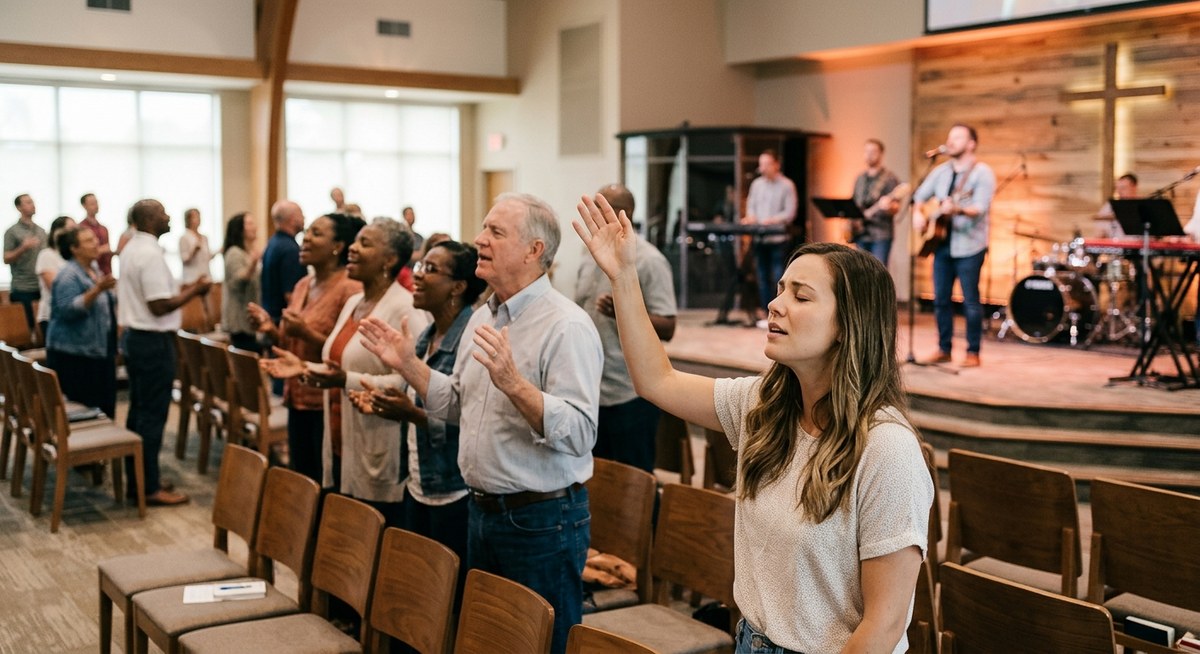

Growing spiritually is less about grand gestures and more about consistent daily rhythms that align our hearts with God. At The Lords Baptist Church, we believe spiritual growth happens when faith is lived out in everyday moments. This article offers a practical, Bible-centered guide to daily practices that can become reliable markers of growth for you and your family. You will find simple steps, realistic timelines, and a friendly pathway to integrate faith into workdays, family life, and personal quiet time.
Why Daily Practices Matter
Daily practices shape who we are more than single spiritual highs. When you intentionally engage in faith activities every day, three things begin to happen:
- Your heart is renewed in small, repeatable ways that compound over weeks and months.
- Your mind is trained to think with a Christian worldview, even amid busyness and stress.
- Your relationships with God and others deepen through consistent encounters with Scripture, prayer, and service.
If you have ever felt stuck or disappointed by sporadic spiritual experiences, a daily rhythm can reorient your day toward God. The goal is not legalism but a steady invitation to encounter Jesus in ordinary moments.
Build a Simple Daily Rhythm
A practical rhythm keeps faith alive without becoming overwhelming. Start with a simple pattern that touches the core areas of spiritual growth. Over time you can adjust the duration and depth, but begin with manageable blocks.
- Morning start: a short time of prayer and Scripture to set the tone for the day.
- Midday check in: a quick moment to invite God into your work, decisions, or conversations.
- Evening reflection: gratitude, a brief Bible passage, and a prayer of surrender.
- Weekly Sabbath touchpoint: a dedicated time to rest, worship, and be with family or friends.
Try this four part rhythm for a month and notice what happens in your heart and daily choices.
Create a practical micro-habits list
- 5 minute morning devotion: a verse, a short reflection, and prayer.
- 2 minute gratitude note: jot one or two things God did today.
- 5 minute worship moment: a song or two played in the background while you work.
- 1 verse memory: pick a single verse to meditate on during the day.
- 5 minute Sabbath reset: a short digital break to rest and pray.
Core Daily Practices
In this section we outline core practices that form a sturdy Christian daily life. Each section offers practical steps, suggested tools, and easy-to-use formats you can adapt to your schedule.
Bible Reading and Reflection
Engaging Scripture daily feeds faith, aligns thinking with truth, and shapes action.
- Choose a simple plan: a one-chapter or two-verse-per-day approach works well for busy seasons.
- Make it personal: write one verse that stood out and a short question about how it applies to your life.
- Memorize small portions: start with a verse a week and review it daily.
- Journal briefly: note insights, prayers prompted by the passage, and how you will live it out.
Tips for success
– Use a reliable plan that fits your pace.
– Read slowly and observe what it reveals about God, yourself, and others.
– Pair Bible reading with a short reflection or prayer.
Prayer
Prayer is conversation with God and a means to hear from Him. A daily routine helps you stay connected.
- Structure your prayer time: adoration, confession, thanksgiving, and supplication (requests).
- Use simple prompts: “God, today I thank you for …” or “Lord, guide me in…”
- Include listening: pause after a request and listen for impressions or a sense of peace.
- Pray with others: set a weekly time for prayer with a friend or small group.
Quick starter prompts
– For today, what Word of God can shape my decision?
– Who can I encourage through prayer this week?
– What He is teaching me through Scripture today?
Worship and Music
Worship is more than songs on Sunday; it is a posture of surrender throughout the day.
- Create a worship moment: a few minutes of listening to a worship playlist as you start work.
- Sing as you go: let a chorus or worship lyric echo in your heart during tasks.
- Journal through worship: note how a hymn or chorus expresses your longing or gratitude.
- Use music intentionally: select songs that reflect the season you are in and your current prayer needs.
Benefits of regular worship music include reminder of God’s faithfulness, an outlet for honest emotion, and a sense of belonging to the larger body of Christ.
Scripture Memorization
Memory helps God’s truth stay close when you need it most.
- Start with short verses: one to two per month is a realistic target.
- Use spaced repetition: review the verse several times a day through the first week, then weekly.
- Write it down: copy the verse into a notebook or verse card you carry.
- Weave it into daily moments: recite at meals, in transit, or during quiet time.
Why memorize scripture
– Truth anchors your thinking in trials and temptations.
– It shapes responses to difficult people and situations.
– It deepens your sense of God’s promises for you.
Fellowship and Accountability
Growing spiritually is not a solo project. Healthy accountability and encouragement from others helps you persevere.
- Find a prayer partner or a small group that shares a similar rhythm.
- Schedule regular check ins to discuss spiritual goals, discoveries, and challenges.
- Practice hospitality by inviting others into your daily routines when possible.
- Participate in church life through volunteering or service teams to deepen connection.
Ideas for accountability
– A three to four week challenge with weekly goals.
– A shared journal or notes to track progress and prayer requests.
– A monthly meet up focusing on Scripture and practical steps.
Generosity and Service
Generosity expands faith beyond self and demonstrates love to neighbors.
- Small daily acts: give an encouraging word, help a coworker, or serve at home without being asked.
- Practical generosity: set aside a small amount weekly for someone in need or a church outreach.
- Service as practice: participate in a church ministry or community project on a monthly basis.
Remember that generosity is not only about money; it is about time, attention, and kindness.
Silence and Solitude
In the busyness of life, silence makes space for God to speak.
- Start with 5 minutes daily of quiet, free from screens and noise.
- Use a simple breathing exercise or a short centering plan to calm your mind.
- Bring a question to God in silence and wait for His response.
- Consider a silent walk in nature as a spiritual reset.
Benefits of regular silence
– Deeper awareness of God’s presence.
– Better discernment when facing decisions.
– A slower, more thoughtful response to life’s pressures.
Fasting (Optional)
Fasting is a spiritual discipline that helps redirect appetite toward dependence on God.
- Start small: consider skipping a meal or choosing a day for a focused fast.
- Pair with prayer: use the time to seek God about specific concerns.
- Do not neglect health: if fasting is not advisable, you can practice a different form of self denial or discipline.
Approach to fasting
– Purpose first: define what you are seeking from God.
– Be flexible: choose a pace that fits your health and schedule.
– End well: break the fast with gratitude and a concise reflection on what you learned.
Sabbath and Rest
Rest is not laziness; it is a sacred rhythm ordained by God.
- Set aside one day a week for rest and worship without overloading schedules.
- Combine family time, worship, and light service to others in a relaxed way.
- Disconnect from work and digital noise for a portion of the day.
Benefits of Sabbath
– Restores energy and focus.
– Deepens trust that God sustains you.
– Creates space for spiritual refreshment and joy.
How to Track Your Growth
Tracking helps you see progress and stay motivated. Try one of these methods or combine them.
- Journal method
- Record what you did each day, what you learned from Scripture, and how you saw God at work.
-
Note any struggles and how you addressed them.
-
Planner or checklist
- Use a simple daily checklist that includes Bible reading, prayer, worship, and a Sabbath reset.
-
Mark days you felt close to God and days you learned something new.
-
Accountability partner method
- Share your goals with a trusted friend and set a weekly refresh.
- Review together what God did in your lives and how to adjust.
Sample 4 Week Plan
Use this plan to gradually build a robust daily rhythm without feeling overwhelmed.
- Week 1: Core Bible Reading and Prayer
- Read a short daily passage, and write a brief reflection.
- Pray using the fourfold approach: adore, confess, thank, ask.
-
Add a 2 minute worship moment and a 2 minute verse memory.
-
Week 2: Worship, Memorization, and Fellowship
- Maintain Bible and prayer time.
- Start verse memorization with one verse.
-
Join or form a small group; begin with weekly 30 minute meetings.
-
Week 3: Generosity and Silence
- Continue core practices.
- Plan a small act of service for someone else during the week.
-
Introduce 5 minutes of daily silence and listening prayer.
-
Week 4: Sabbath and Reflection
- Deepen Sabbath rest and journaling.
- Review the four weeks and adjust for next month.
- Add a fasting option if appropriate and healthy.
Customize this plan to fit your schedule and church community. The goal is consistency, not perfection.
Common Pitfalls and How to Overcome Them
As you grow, you may encounter obstacles. Here are common challenges and practical remedies.
- Legalism versus freedom
- Remind yourself that daily practices are a gift to receive from God, not a checklist to prove worth.
-
Focus on relationship with Jesus, not performance.
-
Burnout
- Keep sessions short and meaningful.
-
Give yourself permission to rest and reset.
-
Comparison
-
Your path is unique. Celebrate growth in small, personal ways rather than comparing with others.
-
All or nothing mentality
- Start with one habit and expand slowly.
-
If you miss a day, begin again the next day without guilt.
-
Isolation
- Invite a friend to partner with you.
- Attend a small group for encouragement and accountability.
Resources from The Lords Baptist Church
This article complements teachings available at the Lords Baptist Church. Consider exploring the following resources to deepen daily practice and spiritual growth:
- Worship music playlists and sermons that emphasize daily faith
- Doctrinal summaries that explain key beliefs in accessible terms
- Articles on spiritual growth and practical Christian living
- Small group guides to support fellowship and accountability
Additionally, consider participating in church events and devotional series designed to reinforce the rhythms described here. By engaging with the community, you gain encouragement, accountability, and a shared sense of purpose.
Practical Tools You Can Use Today
To help you implement daily practices, here is a compact toolkit you can adapt.
- A one page daily rhythm card you can print and keep in your Bible or planner
- A Bible reading plan that fits one to two verses per day
- A small prayer card with prompts for adoration, confession, thanksgiving, and supplication
- A verse memory card with a single verse for the week
- A Sabbath checklist to help you step back from screens and regular duties
Encouragement for Families and Individuals
Growing spiritually is a journey for individuals and families. You can involve children and spouses in age appropriate ways:
- Family Bible time: short readings and a simple discussion
- Worship together: silent worship or singing around the house
- Acts of service: simple acts of kindness within the family or neighborhood
- Gratitude practice: each person shares one thing they are grateful for at the end of the day
The goal is not perfection but a shared trajectory toward Jesus.
Final Thoughts
Growing spiritually through daily practices is about small, sustainable steps that align your heart with God day after day. It is in the ordinary moments where God often meets us most clearly. By embracing a simple daily rhythm, engaging with Scripture, praying honestly, worshiping through music, and cultivating fellowship and service, you create a life that reflects the presence of Christ.
If you would like further guidance, The Lords Baptist Church offers resources and community that can support your journey. You are not alone in this; a faithful community is a powerful ally in spiritual growth.
Would you like us to tailor a 4 week plan for your family or group? Share your goals with us, and we can suggest a customized rhythm that fits your schedule and spiritual aims. We invite you to take the next step today, and begin growing spiritually through daily practices that shape your heart, mind, and life for God.